Welcome to the new website
We've just rebuilt our website, so a few things may have moved or still need polish. If something's missing or broken, tell us below. It goes straight to our team.

Getting to know your carbs
Carbohydrates are the major and primary fuel source for muscles and the brain. Carbohydrates are broken down into glucose which is the form

February 24, 2019
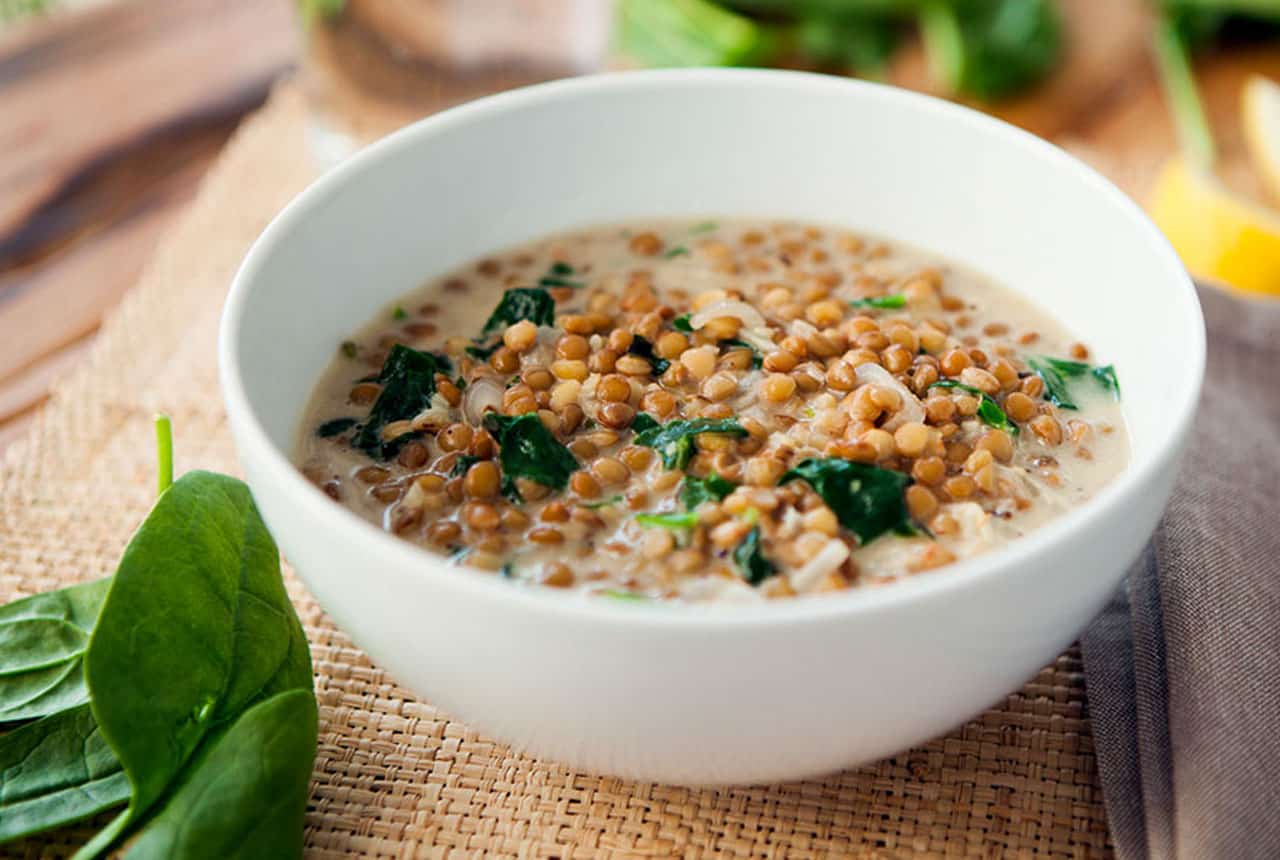
Carbohydrates are the major and primary fuel source for muscles and the brain. Carbohydrates are broken down into glucose which is the form that is used for energy by the body.Carbohydrate foods include starchy foods like bread, rice, pasta, noodles, potato, corn, legumes, biscuits and cereals and all sugars including natural sugars found in fruit, milk and yoghurt.Carbohydrates are stored in the muscles and liver and must be constantly replaced. Spreading small amounts of carbohydrates are a helpful way to provide the body with adequate stores without consuming excessive amounts. This can be achieved by consuming three small meals.Healthy snacks may be beneficial to prevent excessive hunger between meals. By eating this way you will get smaller rises in your blood sugar levels over a longer period of time so that you are using the maximum amount though out the day, limiting excess building up and becoming stored in the body.Do not skip meals is not ideal as it often results in food cravings and binge eating.
CARBOHYDRATES AND THE GLYCEMIC INDEX
Different carbohydrate foods are broken down by the body and release glucose at different rates. This concept is called the glycemic index (G.I). Low glycemic index carbohydrate foods release the glucose more slowly, providing energy to the body at a steady rate. The low glycemic index carbohydrate foods are underlined on the carbohydrate foods page of this handout.The G.I logo is a way to identify foods which have been tested and found to have a low glycemic index.More information can be found in books such as ‘The New Glucose Revolution’ BreadsVegetablesBread (all types); Bread (grain))1slicePotato (steamed, baked)1 medium (140g)Raisin/Fruit loaf, Mountain Bread™1 sliceCarisma Potato (Coles TM)1 meduimDinner roll (small)1Potato, mashed1/2 cupBread roll, Hamburger Bun, Bagel½ (30g)Sweet potato1/2 cup (110g)Pita bread1 small (30g)Corn: on cob½ cob (85g)Lebanese flatbread (23cm)1/3 (30g)Corn kernels, creamed1/2 cupLavash bread½Baked beans1/3 cupCrumpet, round1Kidney, Lima beans2/3 cupEnglish muffin (grainy)1/2Lentils, Chick peas1/2 cupPikelet2Fruit [choose 2-3 serves per day] Biscuits [limit to 1 serve per day or less]Apple (medium)1 (145g)Spicy Fruit Rolls™/Snackright pillows™1Apricots4 (190g)Full of Fruit/Snackright fruit slice™2Banana (small, peeled)1 (75g)Ryvita™2Blackberry1 cup (200g)Oatmeal, Rich Tea™2Blueberry, Cherry (pitted)1 cup (130g)Rice cakes (grain) /Corn Thins™ (grain) 2 or 4Fig (fresh)5 (190g)Wheatmeal™3Grape3/4 cup (100g)Crackerbread, Cruskits™, Vita-weat™4Grapefruit1 large (300g)Premium™ 97% fat free4Honeydew melon1 ¼ cup (240g)Salada™ (bitesize), Water Cracker™6Kiwi Fruit2 (150g)Mandarin (medium)2 (180g)Breakfast Cereals Mango (small)1 (120g)Muesli (av. all brands)25g (1/4cup)Nectarine (small)2 (190g)Just Right™, Sustain™, Sultana Bran™1/3 cupOrange1 (200g)All Bran Fruit ’n’ Oats™1/3 cupPaw Paw1/3 (215g)All Bran™, Guardian™, Special K™original½ cupPeach1 (240g)Fibre Plus™, Sport’s Plus™½ cupPear1 (105g)Bran Flakes™, Weeties™2/3 cupPineapple (peeled)2 slices (185g)Light ‘n’ Tasty™2/3 cupPlum3 (220g)Shredded Wheat™, Oat Brit™1 biscRockmelon1/2 whole (300g)Weet-bix™, Vita Brit™1 ½ biscWatermelon1 ½ cups (300g)Mini Wheats™10 biscFresh fruit salad3/4 cup (150g)Rolled Oats Dry¼ cupStewed/Canned Fruit (natural juice)¾ cupCooked¾ cupPure Fruit Juice (unsweetened)½ cupDried Fruit: Apple, Date, Prune3 - 4Rice/Pasta Apricots10 halves (32g)Rice(Basmati/Doongara Clever™)cooked 1/3 cup Raisins, Sultanas1 ½ tbsp (20g)(19g dry weight) Spaghetti, fettuccinecooked 1/3 cupMilk Products [choose 3 serves per day](22g dry weight)Milk , Lactose free, Oat Milk 250mlsSpiral pasta, pearl barleycooked ½ cupSoymilk (check label) 300 – 500mlsLasagne1 sheetRice Milk 125mlSpaghetti – tinned½ cup (130g)Buttermilk 300mlsCouscous, cooked1/3 cupEvaporated milk (low fat) 130mlsPowdered milk (low fat) 4 tbspMiscellaneous Plain Yoghurt (low fat) 200g cartonFilo pastry2 sheetsFlavour Yoghurt (low fat) ½ carton (100g)Breadcrumbs (dry)¼ cupDiet Yoghurt 200g cartonFlour, Semolina, Polenta (dry)2 Tbsp(Yoplait Forme, Nestle Diet, Dairy farmers 60% less sugar, Tamar Valley No Added Sugar)Popcorn3 ½ cupCustard (low fat) ½ cupHoney1 dessertspoonIcecream (low fat) 2 level scoops100% fruit jam/ sugar1 level tablespoonMilk with Milo™ 200ml + 2 tspALWAYS READ FOOD LABELS FOR ACCURATE INFORMATIONLow Glycemic Index (GI) choices are underlined When carbohydrate foods are eaten the body breaks them down into glucose, which is a type of sugar. This glucose is taken up in our blood and is used by our muscles for energy. Research has shown that different carbohydrates are broken down by the body at different rates. This concept is called GLYCEMIC INDEX or GI.Some carbohydrates are broken down quickly causing a quick rise in blood glucose. These foods are said to have a high glycemic index (GI). Other carbohydrates are broken down more slowly by the body and cause a more gradual rise in blood glucose. These foods are said to have a low glycemic index (GI).Try to mostly choose carbohydrates that are low GI (slowly digested). This can help to improve your blood glucose and cholesterol levels, decrease feelings of hunger, improve energy levels and assist with weight control.Aim to eat at least one low G.I carbohydrate food at each meal.
events at windy hill
Recent Posts
View All News